By Tiffany English, Executive Director, American Orff-Schulwerk Association
I found Orff Schulwerk in my very first year of teaching. I just didn’t know yet how much I would need it.
I was a new music teacher in the Atlanta area when I stumbled into the orbit of the Atlanta Area Orff Chapter. I didn’t fully understand what I had found — I only knew that the people in that room loved teaching music in a way that felt alive, and that I wanted to be near that. The chapter became my community, my sounding board, my professional home before I even knew what professional development really meant. Those early years of teaching were shaped profoundly by the educators around me who were already deep in the Orff world, such as Pat Painter, generously sharing what they knew.
But it wasn’t until my seventh year in the classroom that I enrolled in my first AOSA Teacher Education course. And that is when everything changed.
Here is something I don’t mind admitting now, from the comfortable distance of a long career: I was a control freak. A well-meaning, music-loving, deeply committed control freak — but a control freak nonetheless. I had a plan for every lesson, a vision for every outcome, and a very clear picture of what the music was supposed to sound like when we were done. My students were learning. But looking back, I understand now what I was actually doing: I was leaving almost no room for them.
Orff Schulwerk dismantled that, gently and completely.
What Is Orff Schulwerk?
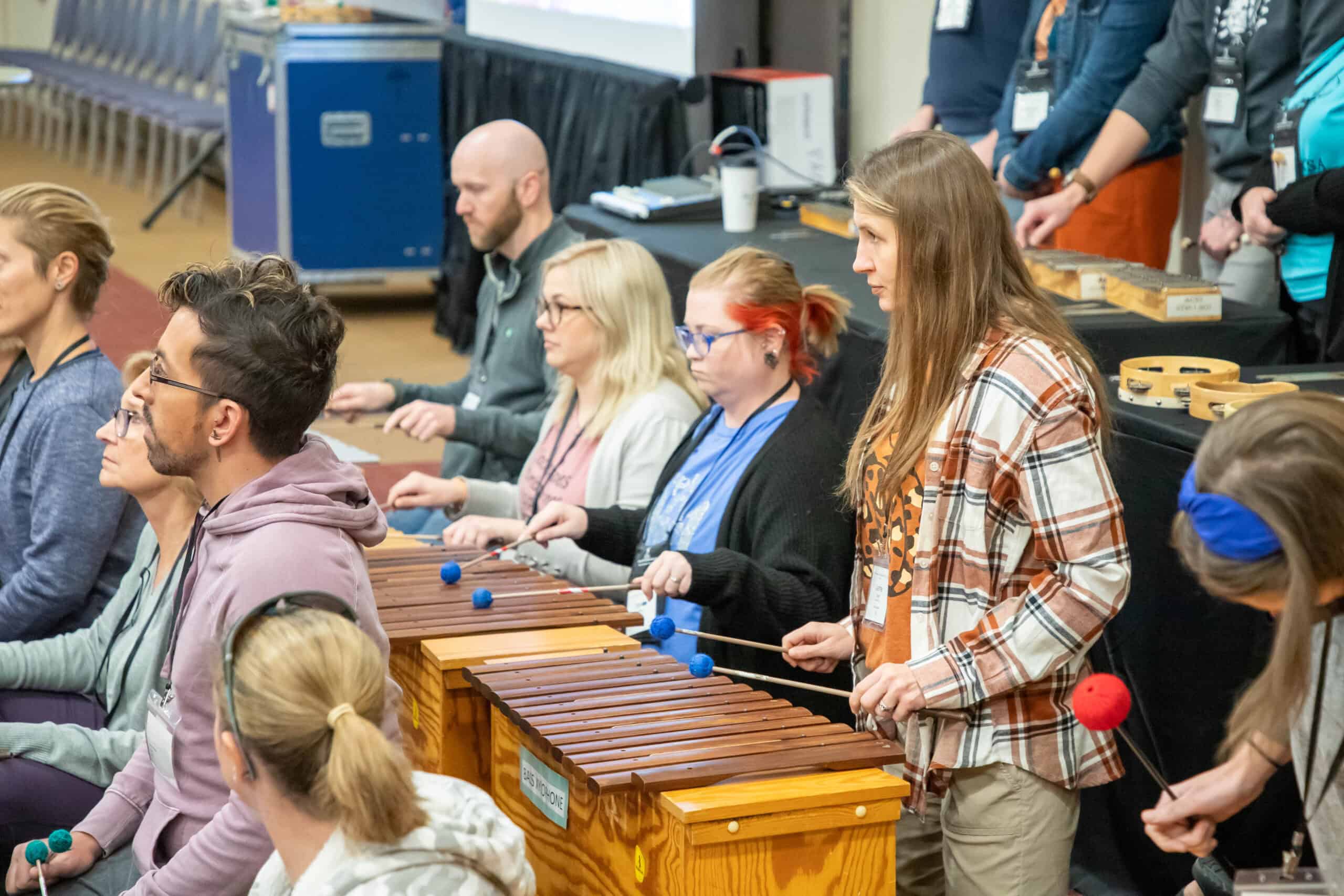
If you’ve heard the name and can’t quite place it — maybe you’ve seen those beautiful xylophones in an elementary music room, or heard a colleague mention “Orff training” with a particular light in their eyes — let me try to explain it, with the caveat that it’s genuinely difficult to describe. It’s like a Krispy Kreme doughnut — you understand only after you try one.
Orff Schulwerk is an approach to music education developed by German composer Carl Orff and educator Gunild Keetman that weaves together music, movement, speech, and improvisation in a way that feels entirely natural — because it is. It’s built on the idea that music-making is elemental to being human, that rhythm lives in language, that melody rises from speech, that the body already knows how to move. In an Orff Schulwerk classroom, children aren’t waiting until they’re “ready” to make real music. They’re composing, improvising, and performing from the very beginning. The instruments are wonderful. But the instruments are not the point. The point is that every child carries something musical inside them, and this approach knows how to bring it out.
The teacher’s job, I came to understand, is not to control that process. It’s to create the conditions for it.
What Summer Courses Actually Feel Like
I want to speak directly to the teachers reading this — the ones who are curious, maybe a little skeptical, possibly carrying the particular exhaustion that comes from giving everything to a job that asks for everything. Because what I remember most about my first summer course isn’t a technique or a lesson plan. It’s how I felt.
I felt like a beginner again. In the best possible way.
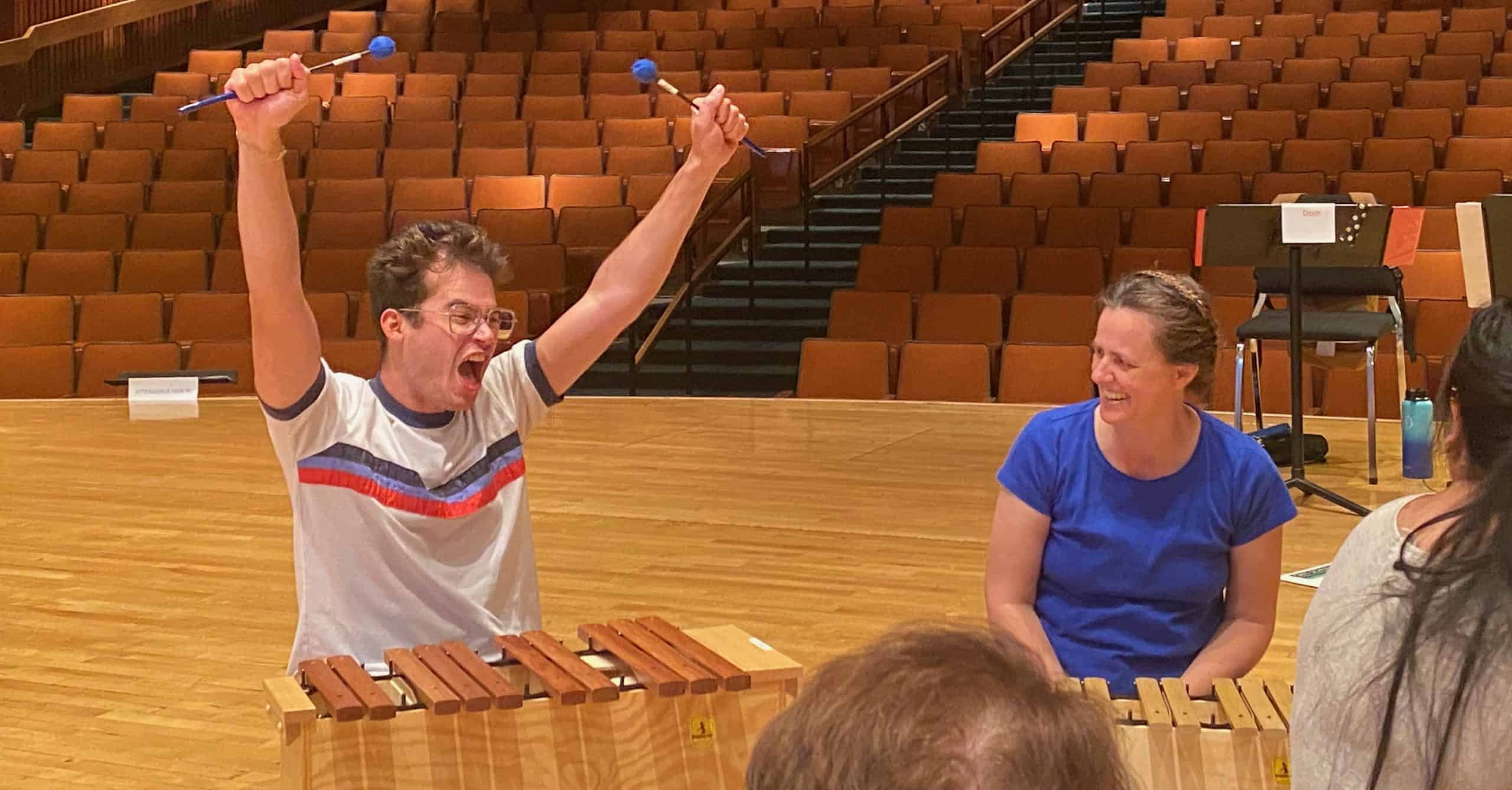
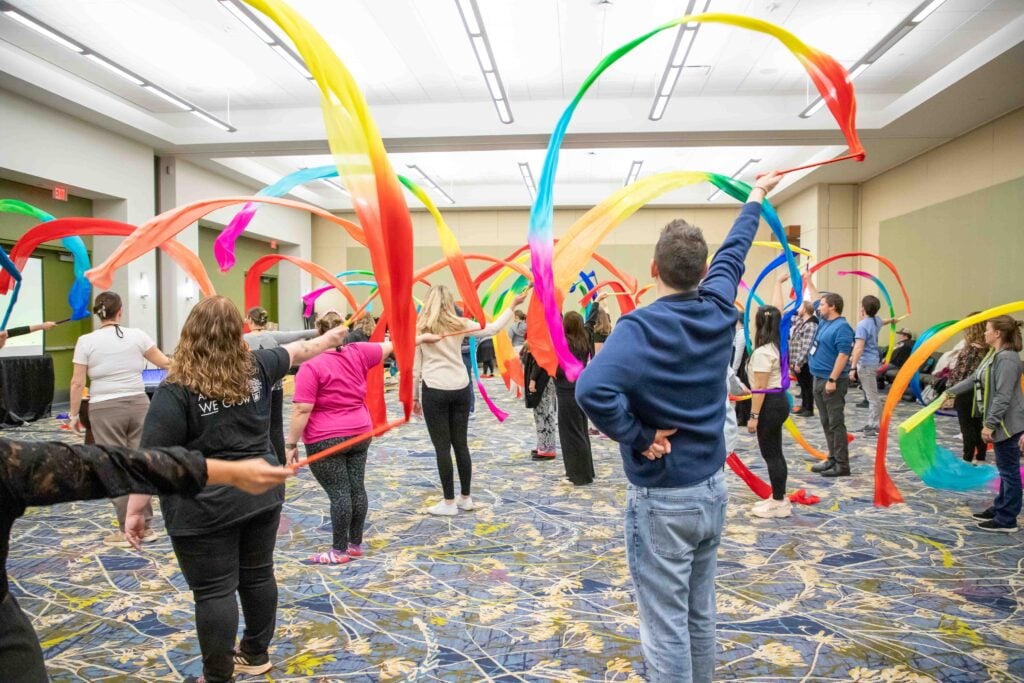
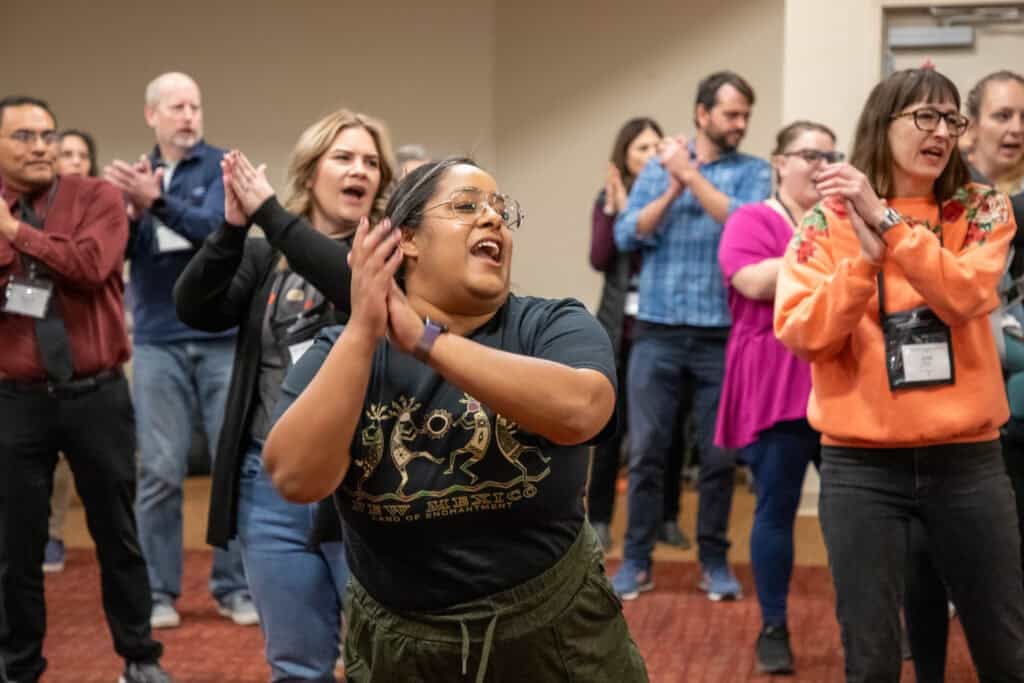
Summer Orff courses are immersive, joyful, and genuinely unlike any professional development you’ve experienced before. The days begin with movement — you will clap, stomp, sway, improvise. You will sing. You will play instruments you may have only admired from across a room. You will work alongside music educators from across the country who showed up, just like you, because they love this work and want to love it more. And somewhere in the middle of all of it, something loosens. Something you forgot you were holding.
For me, it happened during a simple improvisation exercise. Nothing complicated — just a frame, an invitation, and suddenly music that came from me, not from a page or a plan. And I realized: this is what it feels like to be a student in a room where there’s space for you. This is what I had been inadvertently withholding.
The Shift That Changed Everything
When I returned to my classroom after that first summer, my teaching looked different. Not unrecognizable — I was still me — but something fundamental had shifted. I became a facilitator rather than a director. I started building lessons that had a framework but left genuine room inside them: room for students to ask questions, offer ideas, and bring their own creativity to the music we were making together. I stopped needing the outcome to match the picture in my head. I started getting outcomes that were better than anything I could have planned.
The students noticed. The room felt different. Music class became a place where things could happen that surprised all of us — including me. And I fell back in love with teaching in a way I hadn’t felt since my very first year, back when everything was still new and anything seemed possible.
That energy carried me for the rest of my career. Twenty-two more years of it.
You Don’t Have to Be an Expert to Begin
I need you to hear this part: you do not need to arrive with a perfectly equipped classroom, advanced training, or years of Orff experience. Level I courses are designed for beginners, and they reflect the philosophy of the approach itself — everyone can participate, everyone has something to contribute, and you will be met exactly where you are.
What you need is openness. A willingness to move, to play, to try something new and laugh at yourself when it’s a little wobbly. And maybe — if you recognize yourself at all in the control freak I used to be — a willingness to loosen your grip just enough to see what your students have been waiting to show you.
Why I Do This Work Now
After 29 years in the classroom, I stepped into my role as Executive Director of the American Orff-Schulwerk Association. People sometimes ask what a career teacher does in an administrative role, and my answer is simple: I help other teachers find what found me.
Everything I do — the member communications, the conferences, the scholarship programs, the chapter support — exists to lower the barrier between a curious teacher and a transformative experience. The Atlanta Area Orff Chapter welcomed me when I was brand new and didn’t know what I needed. Local chapters and summer courses are still doing that for teachers every single year. If I can help one more educator find their way into that room, every spreadsheet and every meeting is worth it.
You are the reason this work matters. And summer courses are where it begins.
Where to Start
AOSA maintains a network of approved Teacher Education courses offered across the country each summer. Courses run across three levels, and teachers take one level per summer — building skills, deepening understanding, and gathering a community that will sustain you for the rest of your career.
And when you see how amazing the Orff approach is, become an AOSA member. Membership opens the door to an extraordinary collection of resources — videos, articles, book studies, and mentorship opportunities that will support your growth long after summer courses end. It also connects you to the largest Orff Schulwerk conference in the world, an annual gathering that has to be experienced to be believed. Whatever stage you’re at in your Orff journey, there is something in the AOSA community waiting for you.
Visit the AOSA website to find a summer course near you and explore membership. You will also find an Orff chapter in your area; I encourage you to walk through that door too. That’s where I started — and I never looked back.
For more on what to expect in an Orff Level I Course, read Making It Work: Orff Level I